Each route covers one neighborhood's immigrant food culture in depth. Pick one, or do them all. They don't overlap.
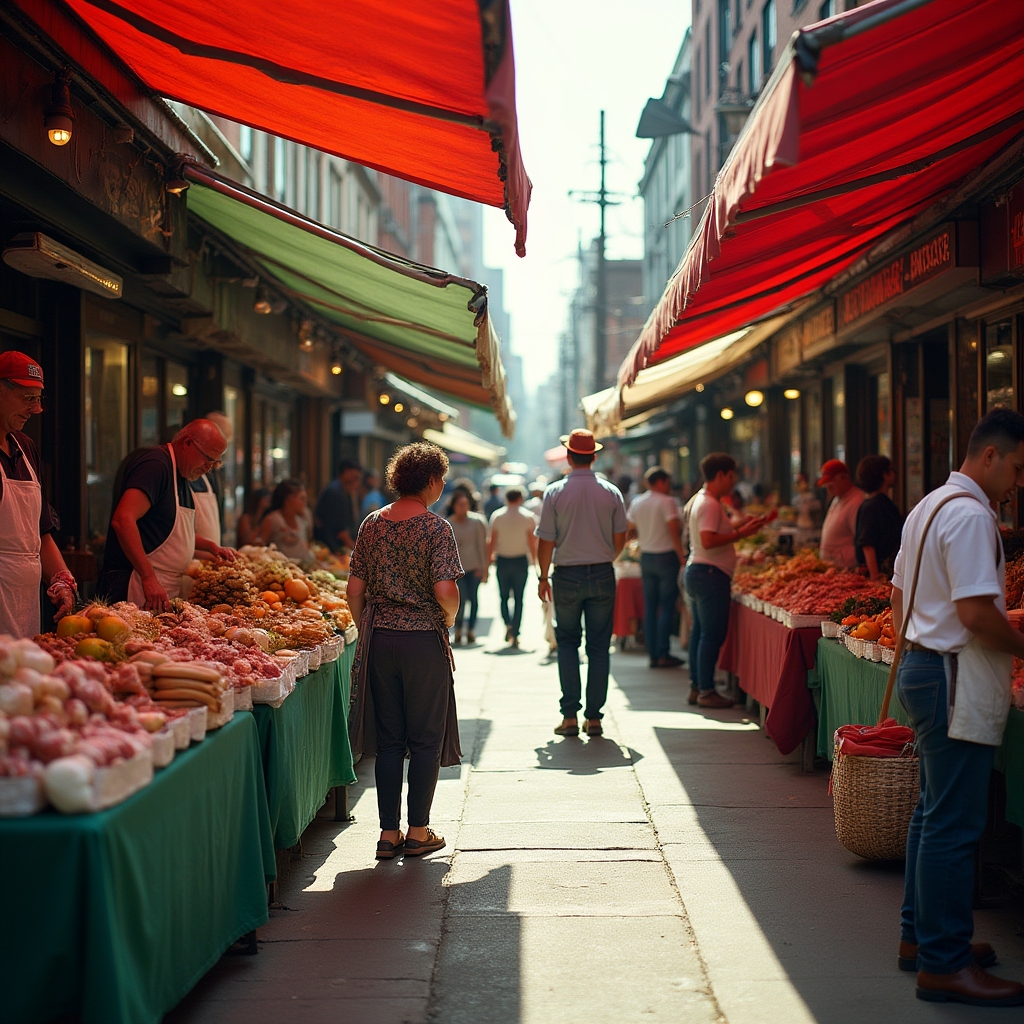
South Philadelphia carries two generations of immigrant food history in close proximity. The Italian Market on 9th Street has operated continuously for over a century. A block east, a Vietnamese commercial corridor has grown steadily since the 1980s. This tour moves between both, drawing lines between the communities that shaped each block.
Stops include a third-generation Italian deli, a Vietnamese banh mi shop that's been on the same corner since 1994, a Mexican carnitas stand that opens at 6am, and a Cambodian grocery that stocks ingredients you won't find anywhere else in the city.
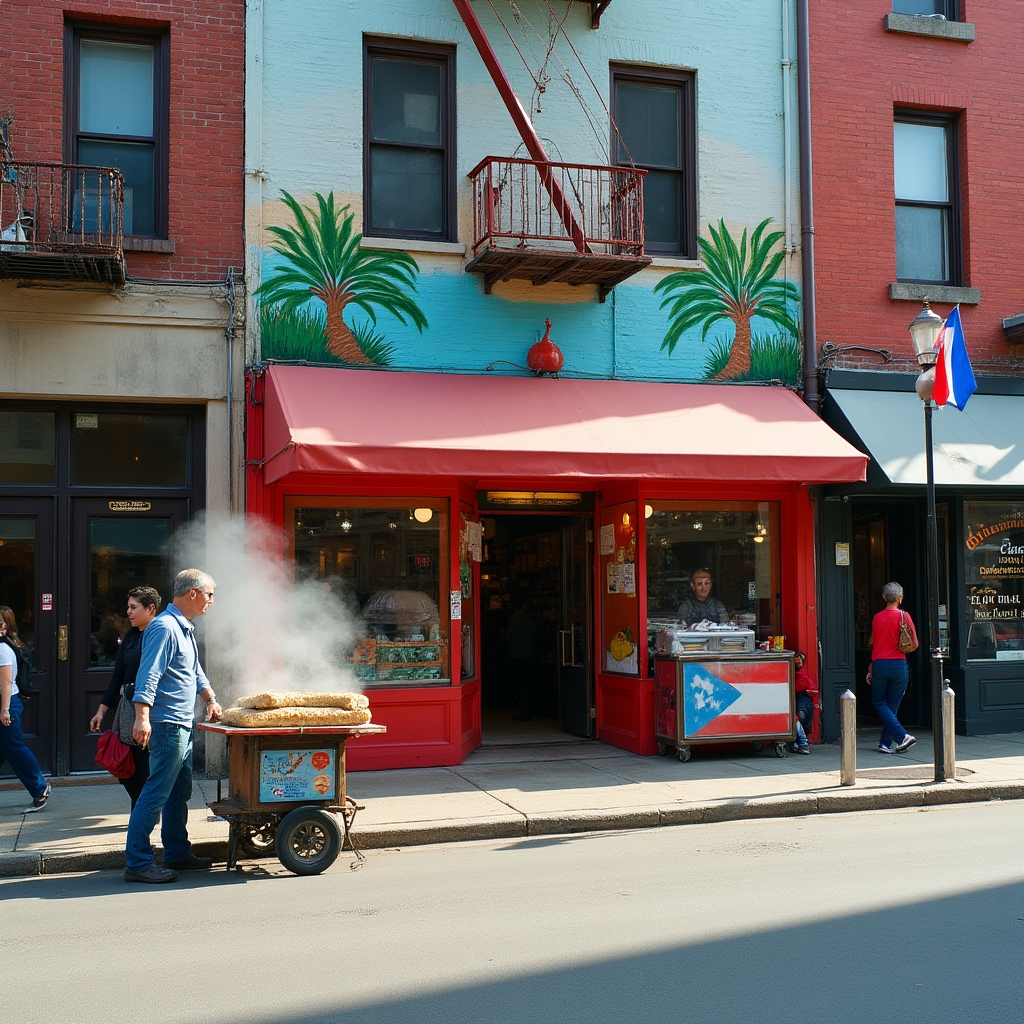
North Philadelphia holds one of the largest Puerto Rican communities on the East Coast. The food corridor along 5th Street and into the surrounding blocks reflects decades of migration, cultural preservation, and community-building. This tour moves through mofongo, pasteles, and sofrito-heavy stews that carry the taste of the island into a Philadelphia kitchen.
Stops include a family-run lechonera, a Dominican hair salon that also sells homemade empanadas from the back counter, a Trinidadian roti shop, and a community market cooperative that opened five years ago.
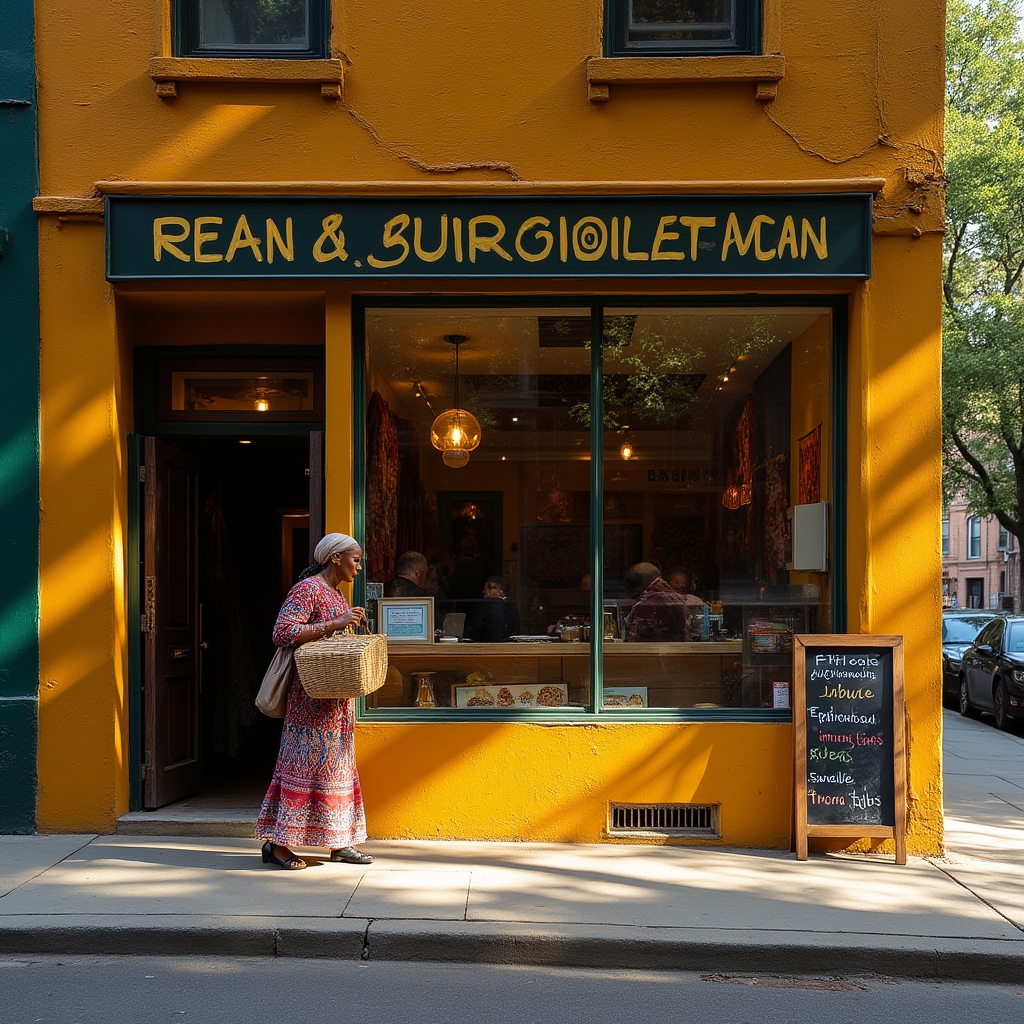
West Philadelphia's Baltimore Avenue corridor has seen significant growth in West African and Ethiopian food businesses over the past two decades. Senegalese, Ghanaian, and Ethiopian restaurants operate within blocks of each other, each with its own distinct cooking tradition and community anchor role.
This tour includes injera served with three different wots at an Ethiopian spot that's been operating since 2002, a Senegalese restaurant that serves thieboudienne on Fridays only, a Ghanaian grocery with an attached prepared food counter, and a West African bakery specializing in chin-chin and puff puff.
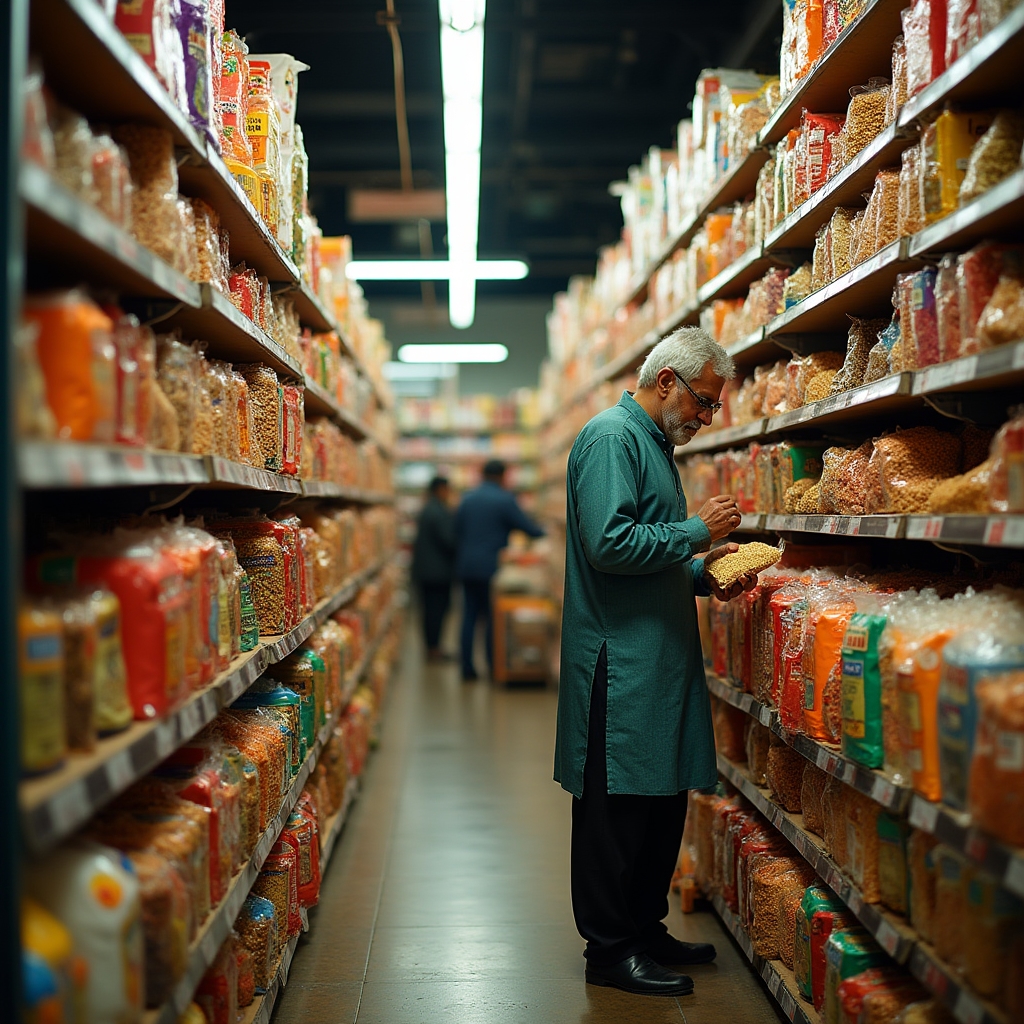
The stretch of Bustleton Avenue and surrounding streets in Northeast Philadelphia contains one of the most concentrated South Asian commercial districts in the region. Pakistani, Indian, and Bangladeshi restaurants sit alongside Korean grocery stores and a growing Nepali food presence. This route covers all of it.
Stops include a Pakistani dhaba that serves lunch buffet-style to a crowd of regulars who've been coming for years, a South Indian dosa restaurant, a Korean banchan shop, and a Bangladeshi sweet shop that makes mishti doi in clay pots.
The four routes above run on a recurring schedule. These formats run by arrangement.
Your group, any of the four routes, any available date. Dietary accommodations built in from the start. Good for families, friend groups, visiting colleagues.
InquireTeam-sized groups can book a full tour with a debrief conversation at the end connecting food, culture, and community. We handle logistics end to end.
InquireAdapted for school groups and university courses. We align tour content with curriculum themes. Available for middle school through graduate level.
InquireBuilt around cultural food calendars. Eid feasts, Lunar New Year markets, Diwali sweets, harvest traditions. These tours run once or twice and don't repeat on schedule.
Get notifiedWe're happy to help you choose the right tour for your group.